About Advanced AI Society
Our purpose
A world where people can trust AI.
Our mission
To make open verification the default for high-risk AI systems.
How
We unite market leaders and deployers with insurers, policymakers, and civil society to standardize, deploy, and scale open verification, an AI security approach purpose-built for the agentic age.
Advanced AI Society is the alliance for verifiable AI. We unite market leaders and deployers with insurers, policymakers, and civil society to standardize, deploy, and scale open verification, an AI security approach purpose-built for the agentic age.
We work through two pillars.

The Open Verification Lab builds research, standard, and tools to make AI safety possible in deployment.

Founding Beliefs
The Machine-to-Machine Era Demands Machine-Speed Trust.
The line has already been crossed. Autonomous agents interact primarily with other machines at speeds human oversight cannot match. Traditional governance, manual reviews, and quarterly audits operate above the surface while operational risk accumulates out of sight below. All periodic audits fall behind and every operator’s log remains a claim. The answer is not more human oversight. It is automated mechanisms carrying human authority at machine speed, emitting tamper-evident evidence anyone can verify after the fact, at will and without permission. Learn more on Why Now →
Verification Cannot Belong to the Verified.
Right now, the AI industry has expanded in the right direction from claims-based AI to independent evaluators conducting the verification. But verification cannot stop there because verification cannot belong to the verified. Trust requires open records anyone can verify without operator permission, backed by a third-party ecosystem that certifies the machinery producing them.
Open Verification Is the Architecture for Verifiable AI.
Open verification is the next expansion for high-risk AI that impacts our lives and livelihood. Open verification extends the open-source premise to the agentic stack: you cannot secure what you cannot inspect, and you cannot delegate what you cannot openly verify. Because open verification evidence is binary and deterministic, it travels seamlessly across deployers, insurers, and regulators. Every institution that we rely on to settle what happened, from courts and journalism to cybersecurity incident response, depends on evidence somebody outside the story can openly verify.
The Technology Is Here; Now We Must Make It Legible as Shared Public Infrastructure.
We need to build the open verification ecosystem for the machine-to-machine world. The technical primitives of machine trust are already built and shipping. What is missing is the architecture turning scattered verifiable AI solutions into shared public infrastructure, a single open standard that policy can mandate, procurement can require, accredited assessors can certify against, and civil society can trust. And the party doing that certifying is a third party: not the supplier, not the buyer, and never one who vouches for the output.
Building a Third-Party Open Verification Ecosystem Prevents Loss of Control.
AI could help humanity take on problems we cannot solve on human timelines alone. The same capability cuts both ways: unverified agents acting at machine speed are a civilizational risk, compounding errors faster than anyone can find them. Building a third-party open verification ecosystem is the pragmatic engineering solution that lets enterprises, governments, and communities delegate real-world authority to AI while prioritizing AI safety and system security.
Securing Machine Trust Is a Social Movement, Not Just a Technical Specification.
Ensuring we can trust AI systems that make unpredictable decisions at speeds no human can follow is a civilizational challenge that cannot remain trapped in technical whitepapers. Engineering open standards is only half the work; the other half is field-building. Broad public literacy, active communication, and convening storytellers, journalists, CISOs, and advocates are how society comes to understand, demand, and enforce open verification.
Pragmatic, Pluralistic Approaches Are the Way Forward.
Achieving machine-speed trust demands a “yes, and” approach across open source, open weight, proprietary models, local nodes, and cloud deployments. Solutions must address catastrophic risk and liability while simultaneously providing the trust foundation that makes high-stakes AI adoption and innovation possible. They must be interoperable with the current infrastructure and leverage the latest innovations from cryptography.
Our Goals
These six goals are the outcome test: they tell us when we are done. When all six are met, open verification is the standard of care for high-risk AI.
the market adopts it
The field requires shared, published definitions across three core concepts: verifiable AI, the territory we steward; open verification, the category we coined; and Proof-of-Control, the open standard we author.
What success looks like: industry participants cite these exact definitions in specifications, procurement documents, and policy papers rather than inventing proprietary terminology, making it effortless to tell a verifiable system from a claims-based promise.
Team

Tricia Wang
LinkedIn ↗CEO & Co-founder
Tricia Wang has spent two decades advising Fortune 500 companies on data strategy, AI adoption, and the gap between what technology measures and what organizations actually need to know. She coined the term "thick data" and built the field around it, arguing that as we abstract more knowledge into quantification, human insight becomes not less important but more. Her TED talk on the subject has been viewed nearly two million times. At the World Economic Forum, she co-founded CRADL with Sheila Warren, building frameworks for how enterprises and governments navigate emerging technology responsibly. At AAI Society, she’s applying the same pattern that has defined her career: seeing what institutions can’t see yet, naming it, and building the infrastructure to make it actionable. The evidence gap in AI is the same problem she identified at Nokia a decade ago — institutions can’t act on evidence that doesn’t come in the format they expect. Proof-of-Control puts it in a format they can’t ignore.
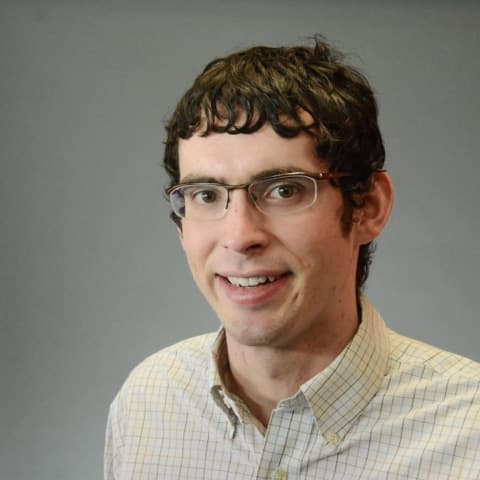
Jim Schwoebel
LinkedIn ↗Director, Open Verification Lab
Jim Schwoebel is a creative engineering executive with experience starting, growing, and scaling Platform-as-a-Service (PaaS) and Agents-as-a-Service (AgaaS) products. As a mentor and advisor, he has guided over 100 individuals in their careers, including CEOs, CTOs, SWEs, product managers, data scientists, and interns. He is committed to paying it forward and empowering others to achieve their goals, which is a deep calling in his life. As CEO/CTO of Quome, he leads a platform designed to refactor legacy systems and deploy production-ready web applications in under 15 minutes. He has previously served as CTO/Head of Engineering (NewAtlantis Labs), CEO (NeuroLex Laboratories, acquired by Sonde Health), VP of Engineering (Sonde Health), Engineering Manager (DigitalOcean, Verily), Investor/Partner (CyberLaunch/NeuroLaunch, 20+ companies), and advisor (VocaliD, acquired by Veritone; QuSecure; Sinaptica Therapeutics).
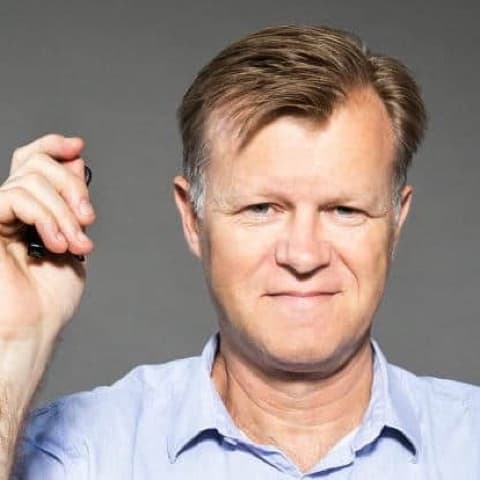
Michael Casey
LinkedIn ↗Co-founder
Michael Casey spent 18 years at The Wall Street Journal and Dow Jones, where he was a senior columnist covering global finance. He then became Chief Content Officer at CoinDesk, where he helped legitimize an entire industry — making the case that cryptographic technology wasn’t just speculation but infrastructure for a new model of trust. He is the author of six books, from a biography of Che Guevara to works on social media, bitcoin, and blockchain, including The Age of Cryptocurrency and The Truth Machine, both co-authored with Paul Vigna. He co-founded Streambed Media, building provenance technology for digital content. He served as Senior Advisor at MIT Media Lab’s Digital Currency Initiative and Senior Lecturer at MIT Sloan School of Management. At AAI Society, Michael brings the rare combination of someone who can explain a complex technology to a mass audience and who has spent a career building the institutional credibility that makes new markets possible.
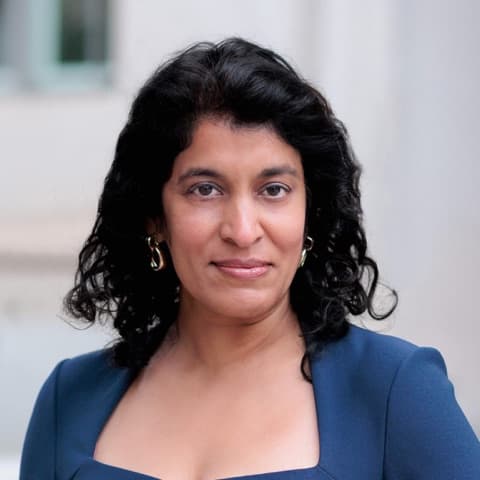
Sheila Warren
LinkedIn ↗Co-founder
Sheila brings to AAI Society the governance expertise, non-profit management, and global institutional relationships to engage regulators, enterprises, and insurers. She was most recently the CEO of Project Liberty Institute. Previously, after serving as the Founding Executive Director of civic tech product NGOsource at TechSoup, she served as Deputy Global Head of the Centre for the Fourth Industrial Revolution, overseeing technology policy strategy across 16 countries and regularly briefing heads of state, ministers, and Fortune 100 CEOs on frontier technologies. She is a graduate of Harvard College and Harvard Law School. She has testified in front of Congress and frequently comments in print, pod, and television, with appearances in Bloomberg, CNBC (Squawk), PBS, NPR, FT, NYT, NYSE, WaPo, and others. She has spoken at Davos, Milken, SxSW, Global Philanthropy Forum, Skoll World Forum, CES, and more. She has given keynotes on five continents, lectured at Wharton, Stanford, Cal, and Oxford, and was named one of the Most Powerful Women in Washington by Washingtonian Magazine and appointed by the Chamber of Commerce to the C100.
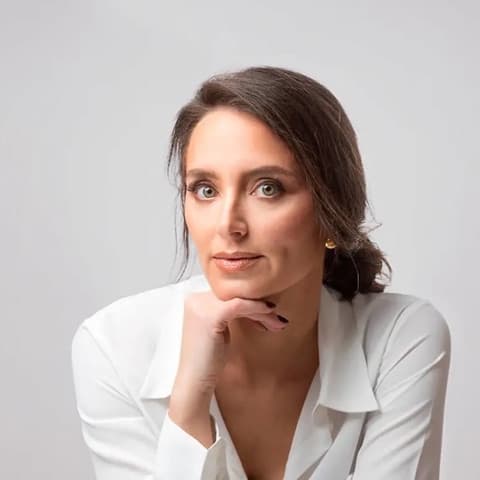
Bettina Warburg
LinkedIn ↗Co-founder
Bettina Warburg is an investor and advisor at the intersection of Web3 and AI. One of the first to bring blockchain to a global audience through TED and WIRED, her work has shaped how executives, policymakers, and technologists understand the convergence of decentralized systems and artificial intelligence. Previously she co-founded Warburg Serres (early-stage VC) and Animal Ventures (emerging tech advisory). Bettina is a founding member of the Public AI Network and a board member of Advanced AI Society. Her writing and talks have appeared at the World Government Summit, DLD Munich, Skoll World Forum, and IBM Think, among others.
Board
TO BE ANNOUNCED
Technical Advisory Council
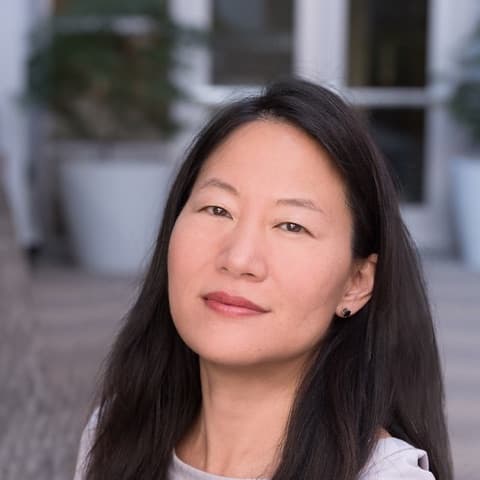
Julie Tsai
LinkedIn ↗CISO-in-Residence, Ballistic VC; six-time CISO (Roblox, WalmartLabs, Box)
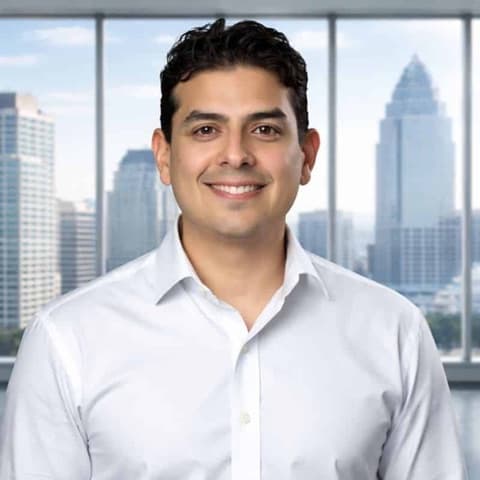
Paul Calatayud
LinkedIn ↗5-time CISO, investor, cryptographer
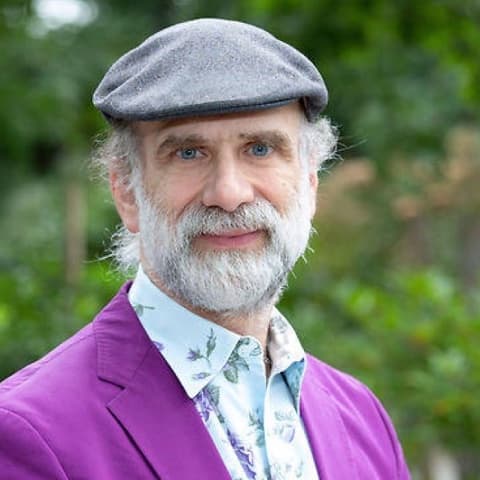
Bruce Schneier
Website ↗Public-interest technologist; EFF board, lecturer at Harvard's Kennedy School

Andrew Nebus
LinkedIn ↗Cybersecurity, AI auditor, ex-CIO
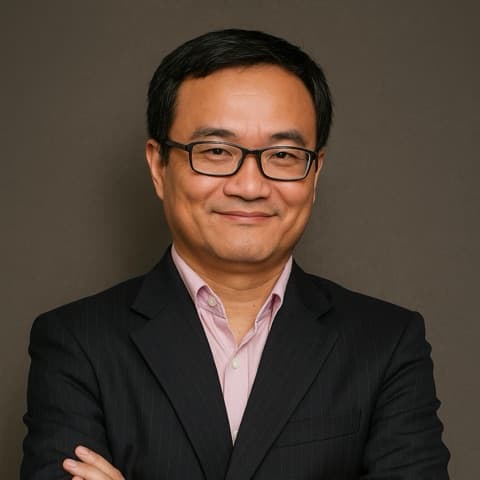
Ken Huang
LinkedIn ↗Co-chair, Proof-of-Control; AI governance & blockchain expert

Sam Nathans
LinkedIn ↗Blockchain systems architect, Boston Blockchain Association
Brian Behlendorf
LinkedIn ↗Co-founder, Open Source Initiative; Mozilla and EFF board
Angel Saad Gomez
LinkedIn ↗Investor, Academic, Researcher
Strategic Advisory Council
Senior Advisors
Noah Ringler
LinkedIn ↗Ex-head of AI, Dept. of Homeland Security
Karen Ottoni
LinkedIn ↗Blockchain & Digital Assets, Former Linux Foundation
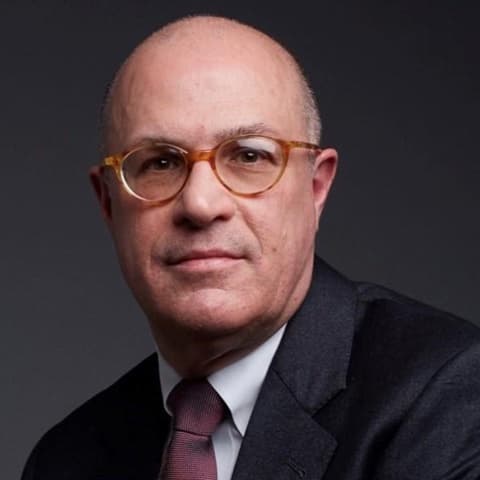
Chris Giancarlo
LinkedIn ↗Co-founder Digital Dollar Project, Former Chairman of CFTC
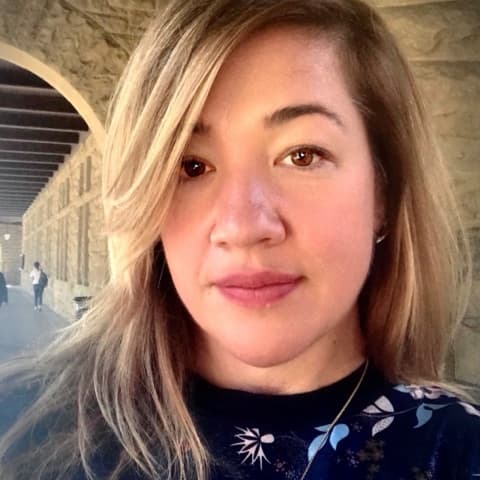
Heather Lord
LinkedIn ↗Impact investor, philanthropist, and social impact strategist

Vidur Nayyar
LinkedIn ↗Insurance lead
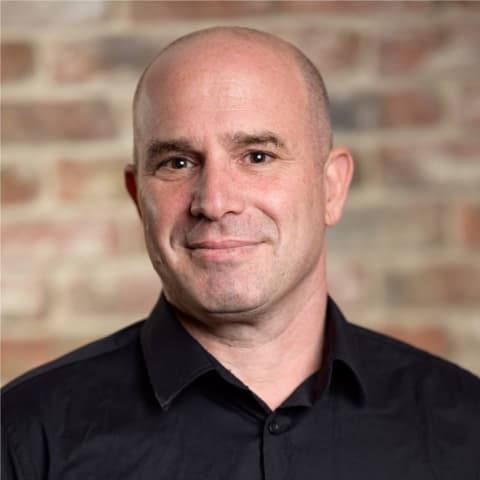
Amir Student
LinkedIn ↗Chief Revenue Officer, MarketAcross
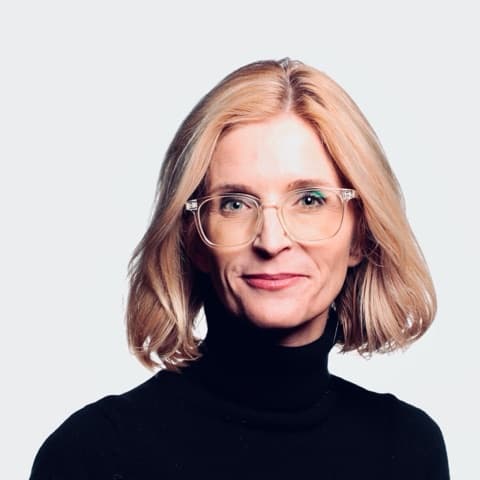
MJ Willmore
LinkedIn ↗Capital strategist across AI, Women in Finance, climate & health
Advisors

Ryan Kidd
LinkedIn ↗CEO of MATS
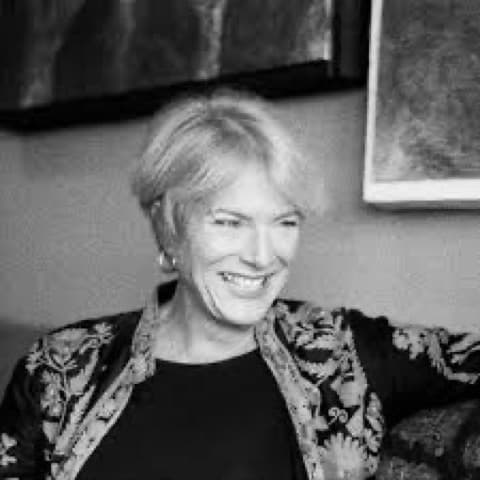
Sunny Bates
LinkedIn ↗TED brainstrust, serial entrepreneur
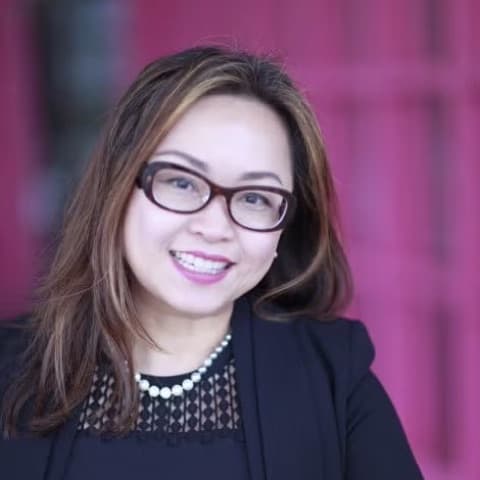
Anni Lai
LinkedIn ↗Open-Source Leader, Linux Foundation
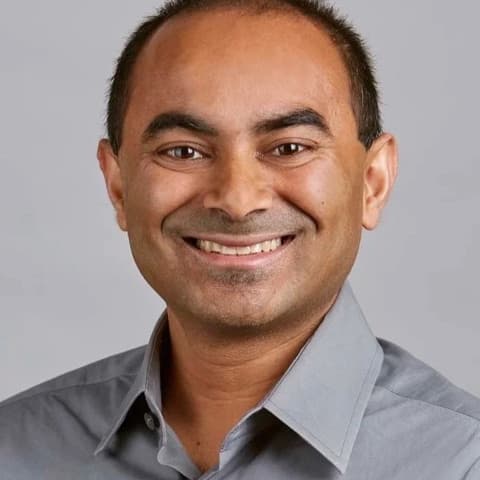
Ahmer Inam
LinkedIn ↗CDAO-level delivery of responsible AI in regulated industries

Clay Shirky
LinkedIn ↗CTO of New York University, bestselling author
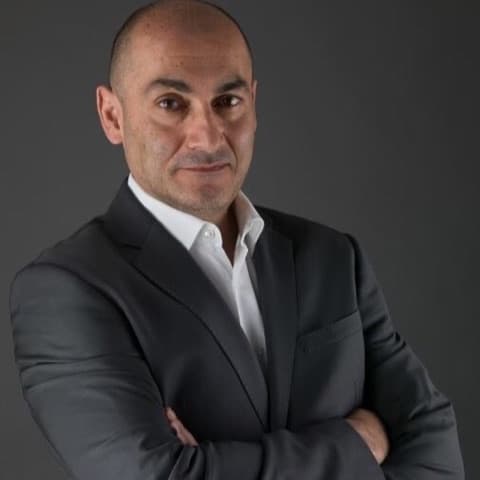
Cyrus Hodes
LinkedIn ↗AI Governance operator, co-founder of Stability AI & AI Safety Connect
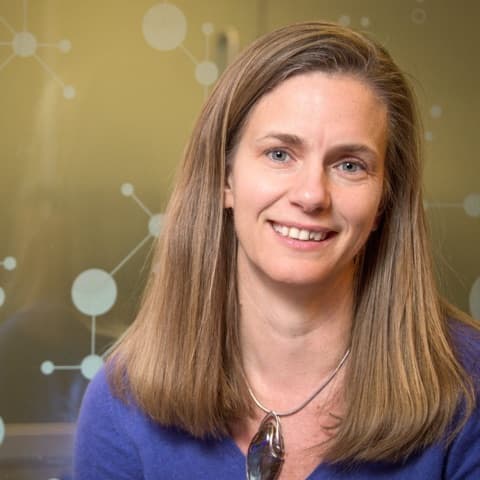
Jana Eggers
LinkedIn ↗CEO Nara Logics, ex-Los Alamos Laboratory, serial entrepreneur
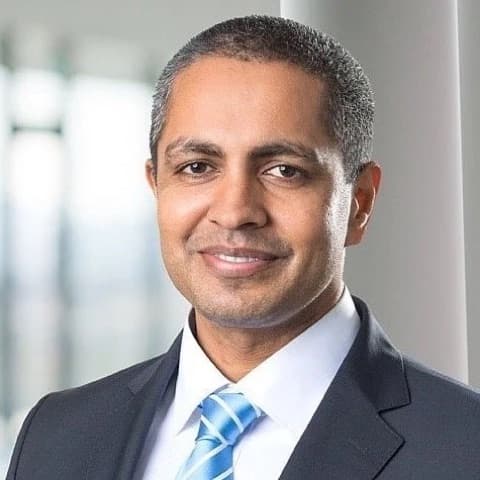
Nicolaj Waldorf
LinkedIn ↗Senior Executive | Transformation & Value Creation | Europe
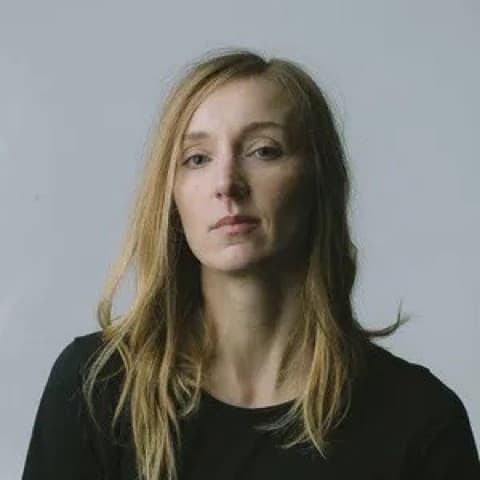
Addie Wagenknecht
LinkedIn ↗Cryptographer, artist, researcher
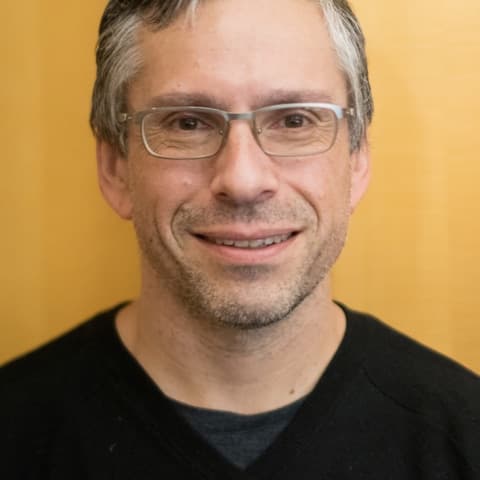
Paul Brody
LinkedIn ↗Chairman of Enterprise Ethereum Alliance, ex-IBM and EY
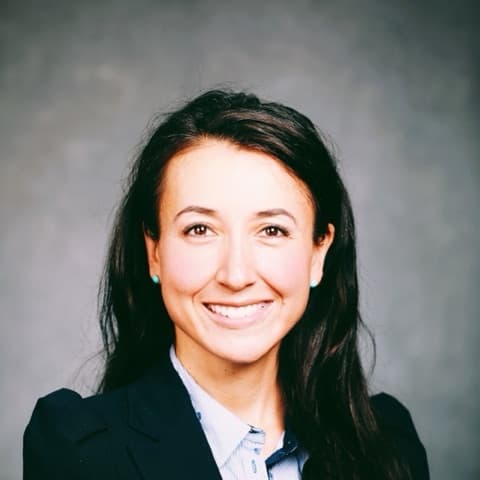
Irina Marinescu
LinkedIn ↗ex-GC Gitcoin
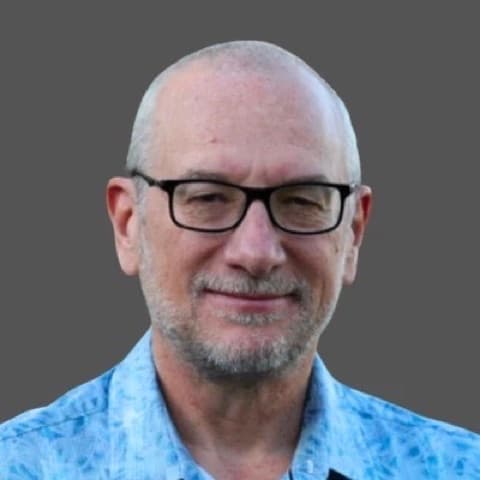
Esteban Kolsky
LinkedIn ↗Chief Distiller & Board Advisor, Constellation Research; ex-SAP, ex-Gartner
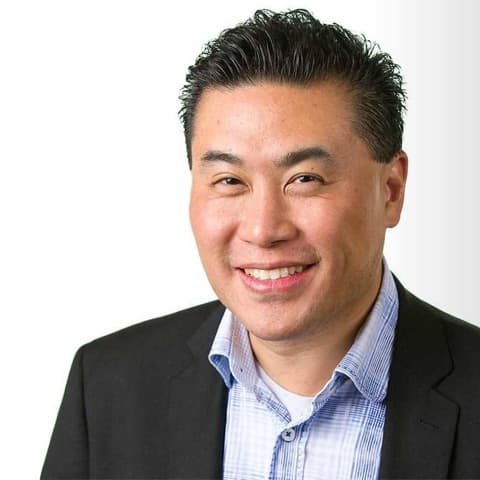
Ray Wang
LinkedIn ↗Founder of Constellation Research; AI & enterprise tech analyst, author
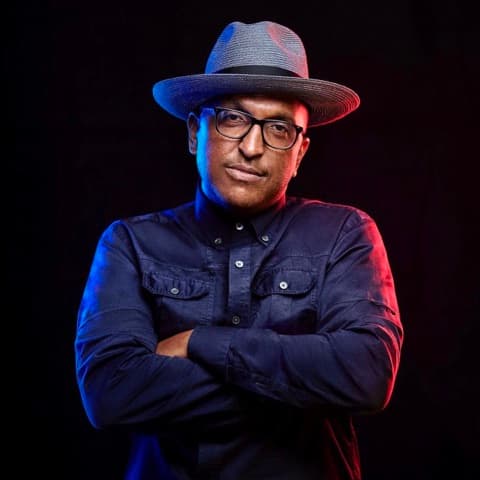
James Andrews
LinkedIn ↗Entrepreneur in Web3/AI, venture capital & startup incubation
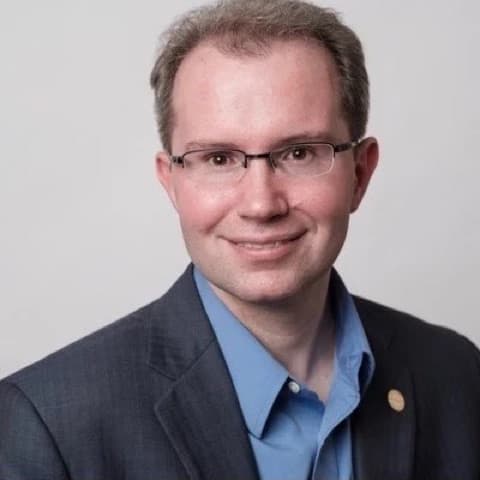
David Bray
LinkedIn ↗Chair of Accelerator, Stimson Center; CEO LeadDoAdapt Ventures Inc; Global Expert on AI

John Kuch
LinkedIn ↗Communications and marketing
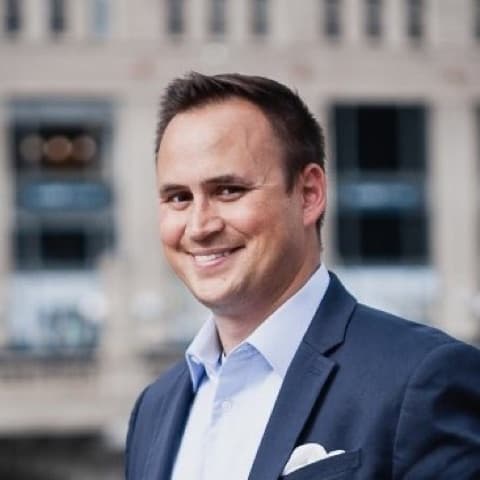
Nelson Rosario
LinkedIn ↗Rosario Tech Law; General Counsel, Illinois Blockchain Association

Gold Darr
LinkedIn ↗AI & Deep Tech pioneer
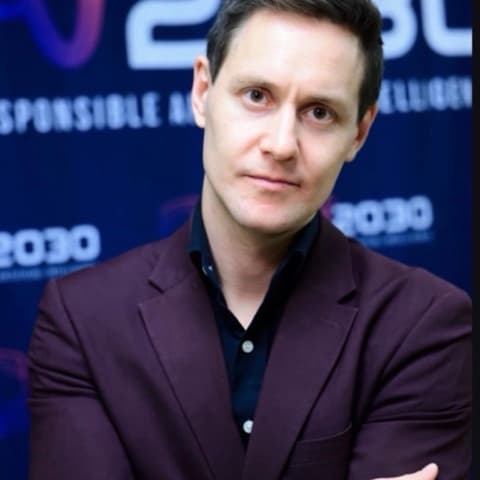
Ben Christensen
LinkedIn ↗ex-SAP, Director of Partnerships at AI2030

Kevin Slavin
LinkedIn ↗Role to come
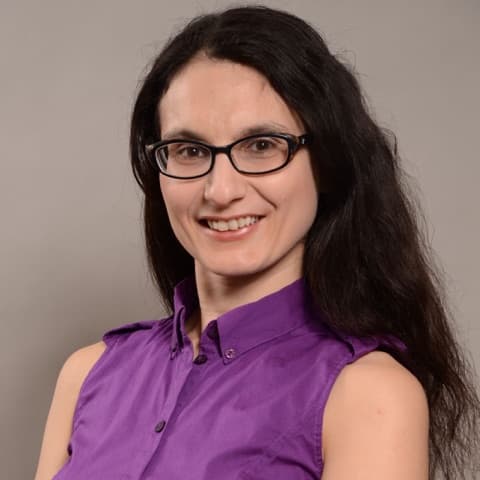
Angela Garabet
LinkedIn ↗IEEE
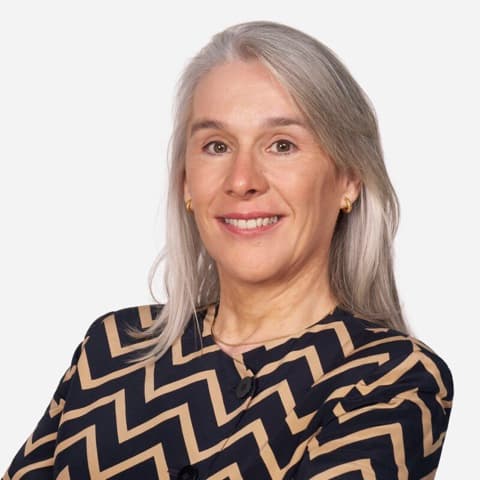
Maria Rosa Rotondo
LinkedIn ↗MD Political Intelligence, Honorary President of Public Affairs Community of Europe